 World of Luxury ↗
A voice agent that checks 5,000 live products
01
Why a human VA fails at this task
- The showroom is open Monday to Friday, 10am to 5pm. 9 in 10 calls arrive outside that window, including $40,000 inquiries at 11pm and on Sundays. All of them hit a voicemail box nobody dealt with before Monday.
- They tried a virtual assistant first. Someone who cannot see the stock cannot answer the only question that matters: do you have this piece, and what does it cost.
- Stock changes every day, so a saved copy of the product list is out of date within 24 hours. Every answer has to come from live data.
02
How it works
Layer 1 Keeping the product list up to date
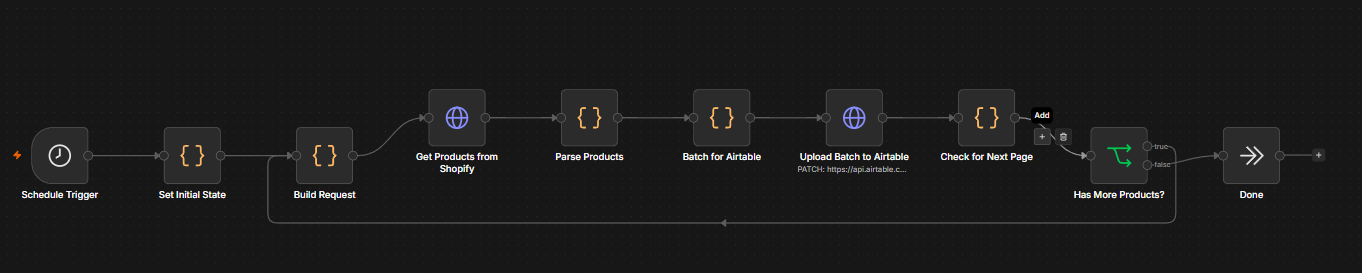
n8n’s built-in Shopify node only pulls 50 products at a time. Looping it enough times to get through all 5,000 kept hitting Shopify’s rate limit and switching the workflow off.
I replaced it with a custom request that pages through Shopify 250 products at a time, which is 5x faster and runs without me touching it.
It updates the existing record rather than adding a new one, so a price change edits the product instead of duplicating it.

Layer 2 Finding the right watch while the caller waits
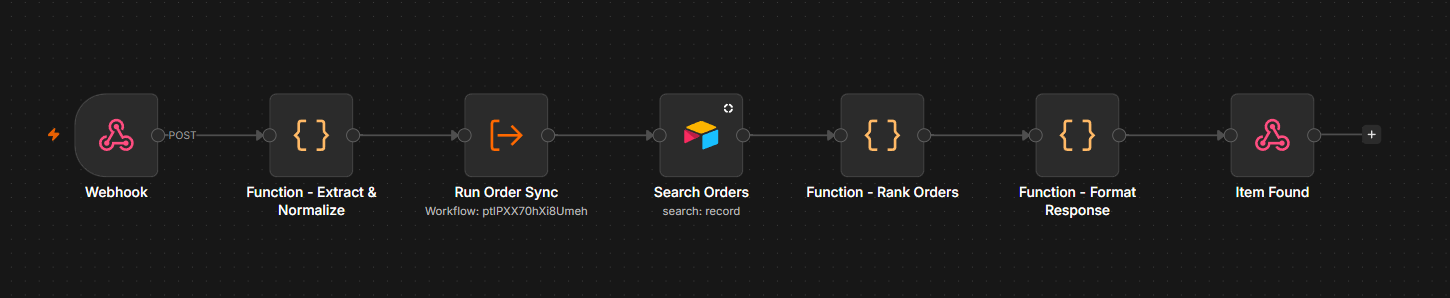
The agent can call 3 lookups in the middle of a conversation.
Each one does the same thing: take what the caller said, clean it up, search the product list, rank the matches, and hand back the best one in a form the agent can read out loud.
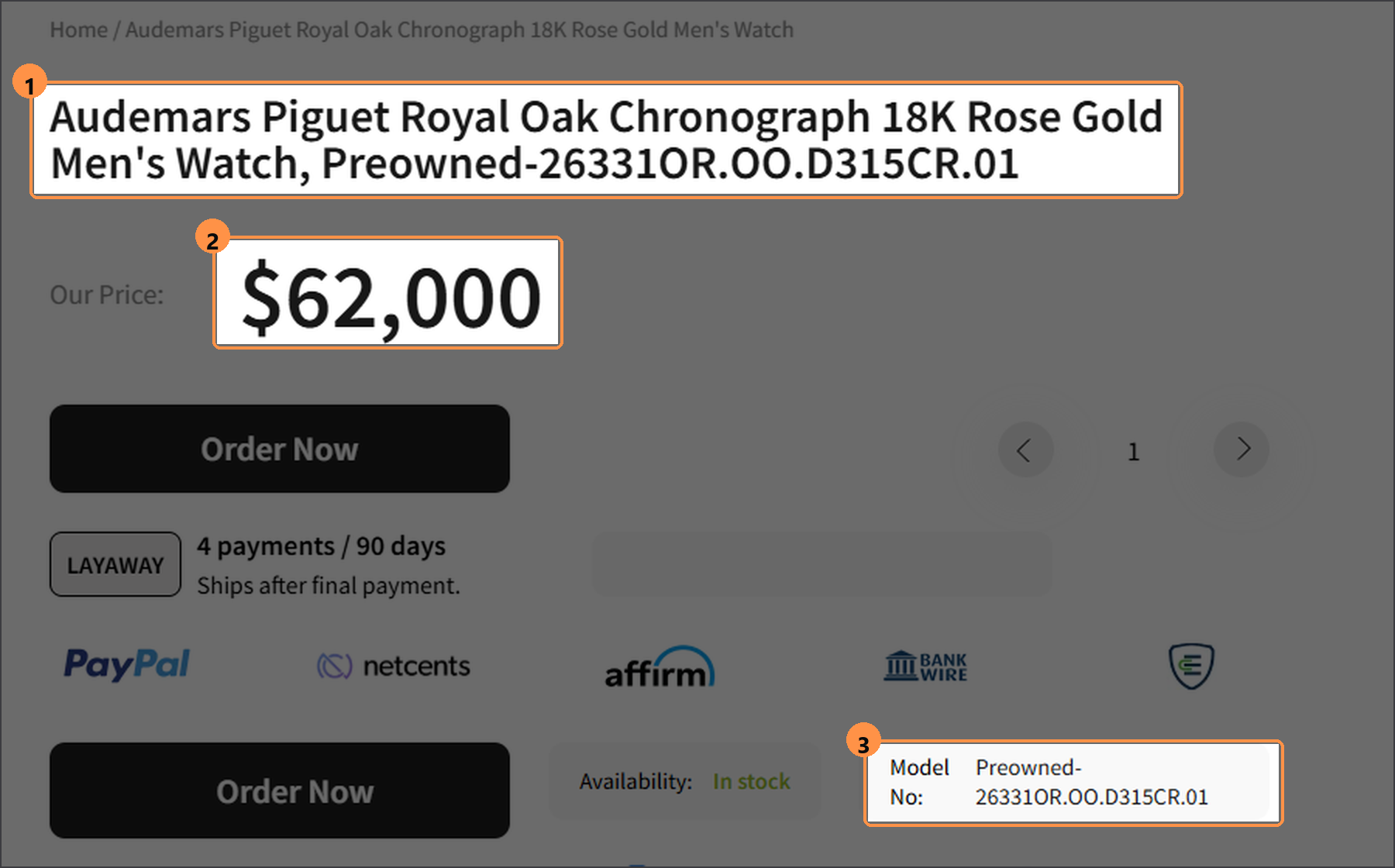
- 1Product nameLong and brand-heavy. This is what callers mispronounce and what speech-to-text mangles.
- 2PriceThe tiebreaker. When a name hits a cluster of near-identical pieces, price separates them.
- 3Model numberDigits, letters, dots, and a
Preowned-prefix only some products carry.
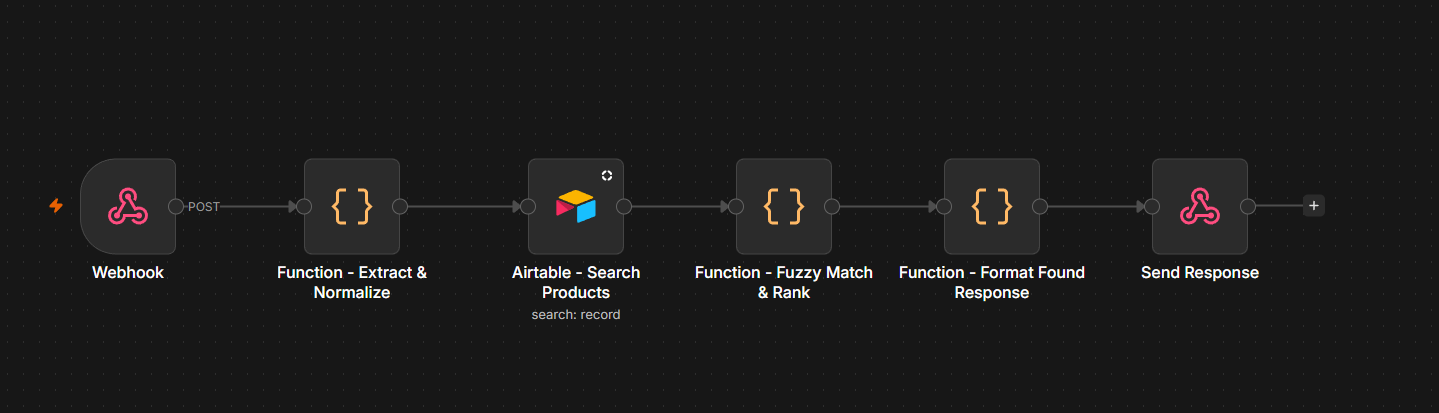
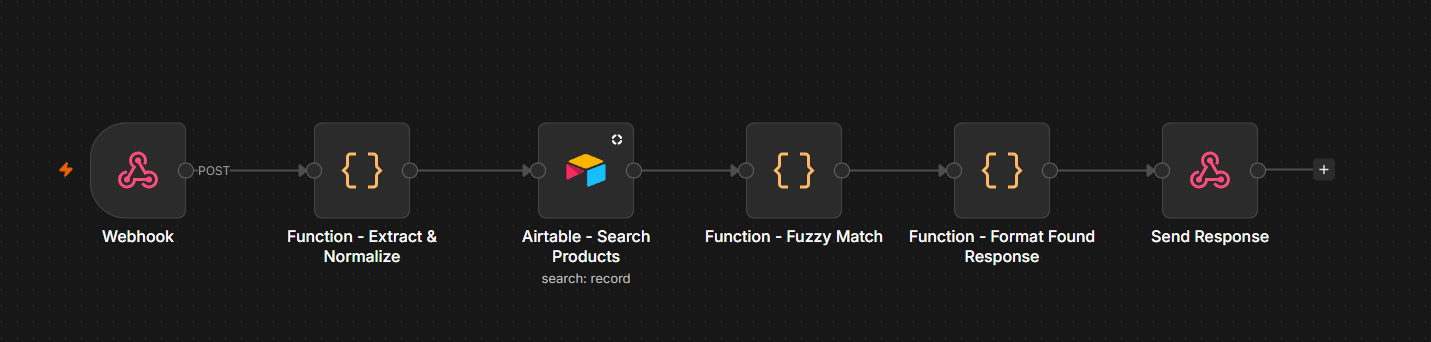
It asks instead of guessing. If a model number matches more than one watch, the agent asks for the price and narrows it down. A pronunciation list keeps the brand names spelled correctly on the way in.
Layer 3 Turning each call into a lead the owner sees
Every finished call saves the transcript, the recording, the caller’s details and a link to the exact product they asked about.
A scheduled workflow gathers the overnight calls and emails them before the shop opens, because the owner was never going to log into a dashboard.

03
The results, counted by hand
I listened to every call in a recent sample and tagged each one: when it came in, what they wanted, how it ended, and whether a lead was actually captured.
Stack
 Retell AI
 n8n
 Airtable
 Shopify
More work
If any of this is the shape of your problem, I’d like to hear about it.
Eastern time, New Jersey, US
Client names and internal details omitted where I am under confidentiality.